
PCOS is Now Called PMOS: Understanding the Name Change, Symptoms & Treatment for Women
- May 15, 2026
- PCOS
Women’s health conditions related to hormones are becoming increasingly common today. One of the most discussed conditions worldwide is PCOS, commonly known as Polycystic Ovary Syndrome. However, many healthcare experts are now referring to this condition as PMOS — Polymetabolic Ovary Syndrome — to better describe its actual impact on the body.
The name change is helping women understand that this condition is not only related to the ovaries but also linked to metabolism, insulin resistance, weight management, hormones, and long-term health risks.
At Mufaddal Polyclinic, we believe women should clearly understand the condition, symptoms, risks, and treatment options so they can take better control of their health.

What is PCOS?
PCOS (Polycystic Ovary Syndrome) is a hormonal disorder that affects women during their reproductive years. It is commonly associated with irregular periods, weight gain, acne, excessive facial hair growth, and difficulty conceiving.
Traditionally, doctors focused mainly on ovarian cysts and menstrual irregularities while diagnosing PCOS.
However, modern research shows that the condition affects much more than the ovaries.
Why is PCOS Being Called PMOS?
Many medical experts now prefer the term PMOS (Polymetabolic Ovary Syndrome) because the condition is deeply connected to metabolic health.
The term PMOS highlights how the disorder affects:
- Hormones
- Metabolism
- Insulin resistance
- Weight regulation
- Blood sugar control
- Heart health
- Fertility
Interestingly, many women diagnosed with PCOS may not even have ovarian cysts. This is one of the reasons why experts believe the older name does not fully represent the condition.
The updated term PMOS gives a broader and more accurate understanding of the disorder.
Understanding the Metabolic Link
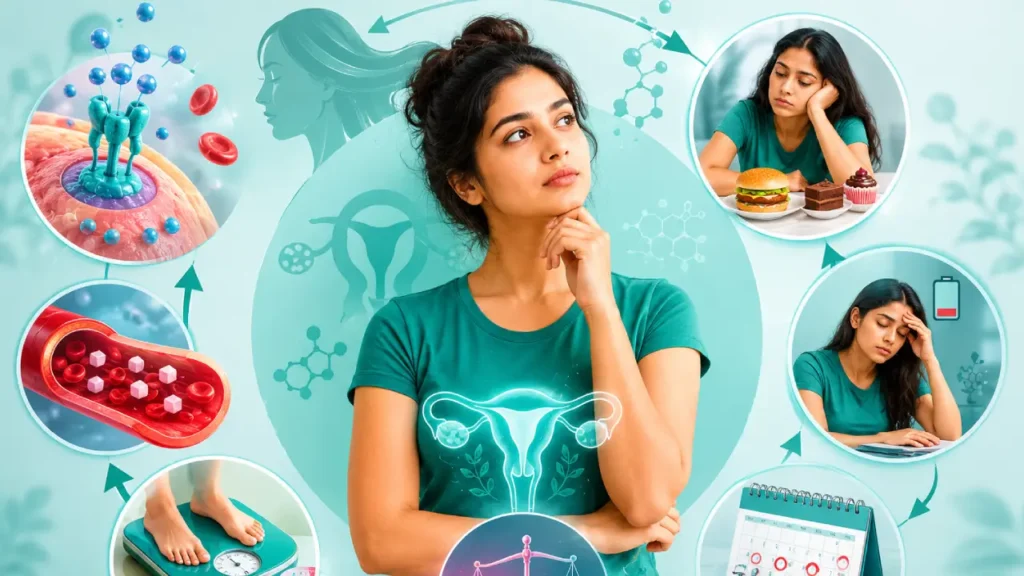
One of the major concerns in PMOS is insulin resistance.
When the body cannot use insulin effectively, blood sugar levels increase. This can lead to:
- Weight gain
- Difficulty losing weight
- Increased hunger
- Fatigue
- Increased androgen hormones
- Irregular menstrual cycles
Insulin resistance is now considered one of the key drivers behind PMOS symptoms.
Common Symptoms of PMOS in Women
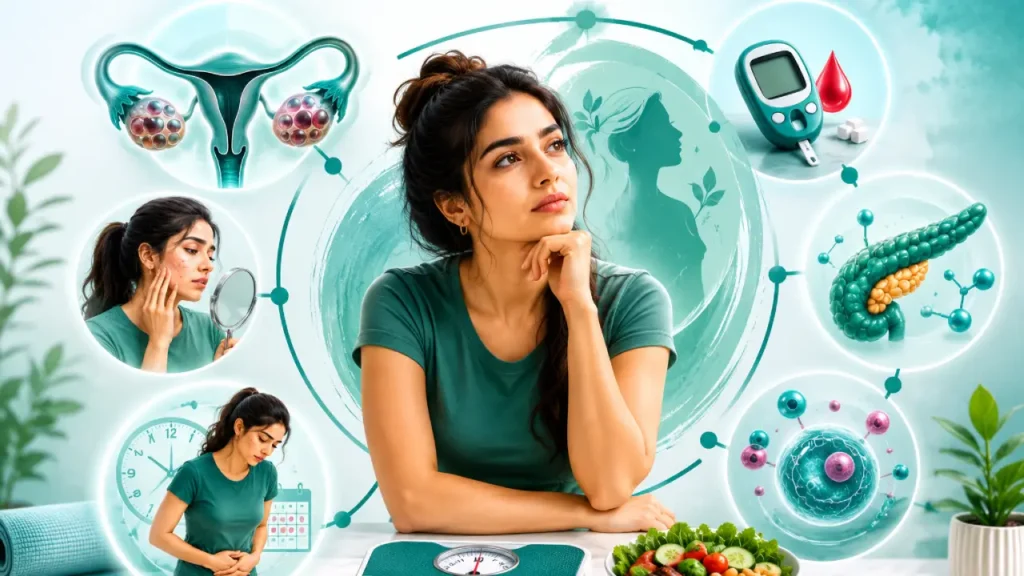
Symptoms may vary from woman to woman. Some women experience mild symptoms, while others face severe hormonal and metabolic disturbances.
Common Symptoms Include:
- Irregular periods
- Delayed menstrual cycles
- Excess facial or body hair
- Acne and oily skin
- Hair thinning or hair fall
- Weight gain
- Difficulty conceiving
- Dark patches around the neck or underarms
- Mood swings
- Fatigue
- Sleep problems
- Sugar cravings
Women experiencing these symptoms should consult a qualified healthcare professional for proper evaluation.
What Causes PMOS?
There is no single cause for PMOS. However, several factors may contribute to the condition.
1. Insulin Resistance
This is one of the most common factors linked to PMOS.
2. Genetics
Women with a family history of hormonal disorders or diabetes may have a higher risk.
3. Lifestyle Factors
Poor diet, stress, lack of physical activity, and inadequate sleep can worsen symptoms.
4. Hormonal Imbalance
Excess androgen hormone production contributes to many PMOS symptoms.
How PMOS Affects Overall Health
PMOS is not just a reproductive health condition. It can affect multiple systems in the body.
If untreated, it may increase the risk of:
- Type 2 diabetes
- Obesity
- High cholesterol
- High blood pressure
- Infertility
- Anxiety and depression
- Sleep disorders
- Cardiovascular disease
Early diagnosis and lifestyle management are extremely important
Diagnosis of PMOS
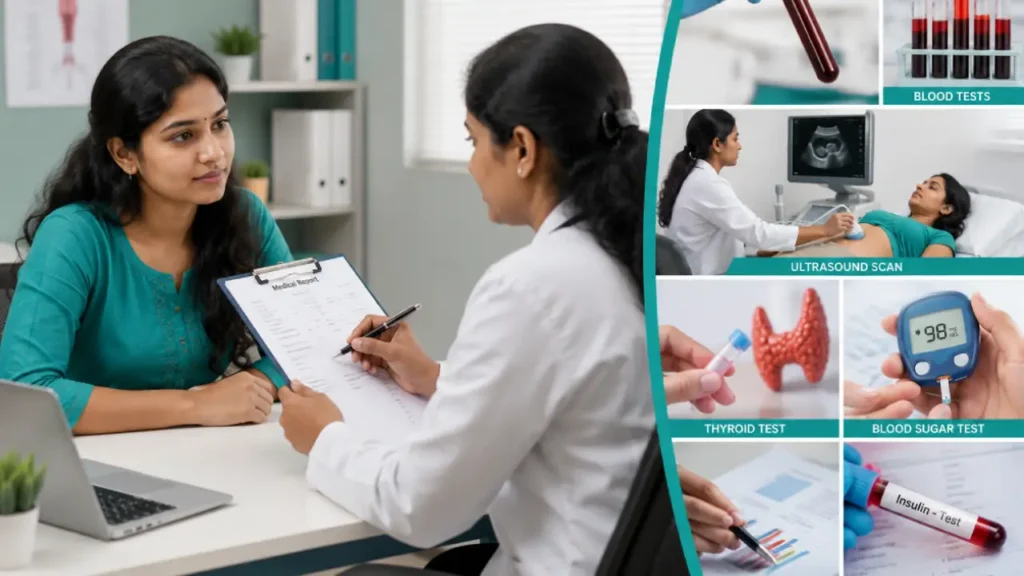
Doctors usually diagnose PMOS through a combination of medical history, physical examination, and laboratory investigations.
Common Tests Include:
- Hormone profile testing
- Blood sugar evaluation
- Thyroid function tests
- Ultrasound scan
- Insulin resistance assessment
- Lipid profile
At Mufaddal Polyclinic, women can receive proper evaluation and guidance for hormonal and metabolic health concerns.
Treatment for PMOS
There is no single cure for PMOS, but symptoms can be managed effectively with proper medical support and lifestyle changes.
Lifestyle Modification
Healthy lifestyle habits are considered the foundation of PMOS management.
Doctors usually recommend:
- Regular exercise
- Weight management
- Healthy eating habits
- Reduced sugar intake
- Stress management
- Proper sleep routines
Even small lifestyle improvements can significantly improve hormonal balance.
Medical Management
Depending on symptoms, doctors may recommend:
- Hormonal medications
- Insulin resistance management
- Fertility support
- Acne treatment
- Menstrual regulation therapy
Treatment plans should always be personalized based on the patient’s condition and health goals.
Diet Tips for Women with PMOS
Nutrition plays a major role in controlling symptoms.
Recommended Foods:
- High-fiber vegetables
- Protein-rich foods
- Whole grains
- Healthy fats
- Low-glycemic foods
Foods to Limit:
- Sugary drinks
- Processed foods
- Excess refined carbohydrates
- Junk food
Balanced nutrition can help improve insulin sensitivity and hormone function.

Importance of Early Diagnosis
Many women ignore symptoms like irregular periods or weight gain, assuming they are temporary issues.
However, untreated PMOS can affect long-term health and fertility.
Seeking early medical attention helps in:
- Better symptom control
- Improved fertility outcomes
- Reduced diabetes risk
- Better emotional well-being
- Prevention of future complications
Women’s Hormonal Care in Royapuram, Chennai
Women searching for hormonal imbalance treatment, PCOS care, or PMOS management in Chennai should choose a clinic that focuses on both hormonal and metabolic health.
At Mufaddal Polyclinic, we provide patient-focused women’s healthcare services with personalized support, evaluation, and treatment guidance.
Why Women Choose Mufaddal Polyclinic
- Experienced healthcare professionals
- Personalized women’s wellness support
- Hormonal health evaluation
- PCOS and PMOS guidance
- Affordable consultations
- Convenient care in Royapuram, Chennai
Our goal is to support women in achieving better hormonal balance, confidence, and long-term wellness.
Conclusion
The shift from PCOS to PMOS reflects a deeper understanding of how this condition affects women’s overall metabolic and hormonal health. While the name may evolve, the importance of early diagnosis, lifestyle management, and proper medical care remains the same.
Women experiencing irregular periods, unexplained weight gain, acne, or hormonal symptoms should not ignore these signs. Timely medical support can improve health outcomes and quality of life.
If you are looking for trusted hormonal care or PCOS treatment in Royapuram, Chennai, Mufaddal Polyclinic is committed to providing compassionate and professional women’s healthcare support.